

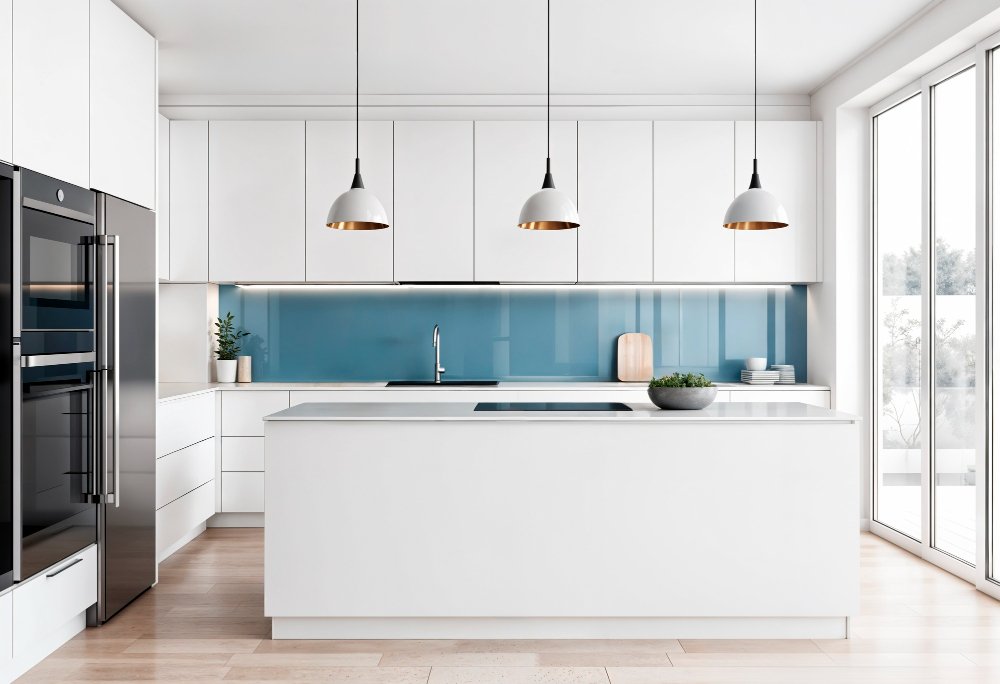
Why Kitchen Islands Have Become Essential in Modern Homes
Kitchen islands have become one of the most requested features in modern renovations because they improve functionality, increase storage capacity, create additional seating, and encourage social interaction. Today’s kitchen islands often serve multiple purposes, acting as food preparation areas, dining spaces, workstations, and entertainment hubs.
However, installing a kitchen island requires careful planning. Size, layout, electrical requirements, storage solutions, and traffic flow all play important roles in determining whether an island will improve or hinder kitchen efficiency.
How Much Space Is Needed for a Kitchen Island?
Available floor space is the first factor homeowners should evaluate before installation.
Recommended Clearance Guidelines
- 36 to 48 inches of walking space around all sides
- Additional clearance near appliance doors
- Unobstructed pathways between work zones
- Comfortable seating access areas
Proper spacing helps maintain smooth movement throughout the kitchen.
What Size Kitchen Island Works Best?
The ideal island size depends on kitchen dimensions and household needs.
Factors That Influence Island Size
- Room dimensions
- Number of users
- Storage requirements
- Seating needs
Oversized islands can make kitchens feel crowded and reduce functionality.
Can Kitchen Islands Improve Storage?
One of the biggest advantages of kitchen islands is additional storage capacity.
Popular Island Storage Features
- Deep drawers
- Pull-out shelves
- Wine storage racks
- Hidden appliance storage
- Open display shelving
Customized storage systems improve kitchen organization significantly.
Should a Kitchen Island Include Seating?
Many homeowners use kitchen islands as informal dining spaces.
Popular Seating Configurations
- Two-seat breakfast counters
- Four-seat family layouts
- Extended waterfall counters
- Wraparound seating designs
Comfortable seating helps transform kitchens into social gathering spaces.
What Countertop Materials Work Best?
Kitchen islands experience heavy daily use and require durable surfaces.
Recommended Countertop Materials
- Quartz
- Granite
- Porcelain
- Butcher block
- Solid surface materials
Durable materials improve longevity and simplify maintenance.
Can Kitchen Islands Include Appliances?
Modern islands often integrate appliances to improve workflow.
Common Island Appliance Features
- Cooktops
- Microwave drawers
- Beverage refrigerators
- Dishwashers
- Wine coolers
Appliance integration should support efficient kitchen movement.
Do Kitchen Islands Need Electrical Outlets?
Electrical planning is essential for functionality and safety.
Popular Electrical Features
- Standard power outlets
- USB charging ports
- Hidden pop-up outlets
- Smart charging stations
Convenient power access supports both cooking and remote work activities.
What Lighting Works Best Above an Island?
Lighting strongly influences both appearance and usability.
Popular Island Lighting Options
- Pendant lights
- Linear chandeliers
- Recessed lighting
- Integrated LED systems
Layered lighting improves visibility while enhancing kitchen aesthetics.
Can Islands Support Multiple Functions?
Many households use islands for more than food preparation.
Common Multifunctional Uses
- Dining space
- Homework stations
- Remote work areas
- Entertainment spaces
Flexible designs improve everyday practicality.
Should Kitchen Islands Match Existing Cabinets?
Modern kitchens often use contrasting island designs.
Popular Design Approaches
- Matching cabinetry
- Two-tone color schemes
- Natural wood accents
- Bold statement colors
Design consistency helps maintain visual balance.
Do Kitchen Islands Increase Home Value?
Well-designed islands are highly desirable among homebuyers.
Features That Improve Resale Appeal
- Additional seating
- Extra storage
- Quality countertops
- Efficient layouts
Kitchen islands often improve both functionality and market appeal.
Why Professional Planning Is Important
Kitchen island installation involves cabinetry, plumbing, electrical systems, and traffic flow planning.
Benefits of Professional Design
- Improved space utilization
- Better workflow efficiency
- Safer electrical integration
- Enhanced visual balance
Professional planning helps homeowners avoid costly design mistakes.
Final Thoughts on Installing a Kitchen Island
Kitchen islands improve storage, functionality, and social interaction while becoming central gathering spaces within modern homes. By carefully planning size, seating, storage, lighting, and electrical requirements, homeowners can create islands that support both everyday living and entertaining.
Thoughtful design and professional installation help ensure kitchen islands remain practical, durable, and visually appealing for many years.