
Energy-efficient home improvements have become one of the most valuable renovation categories because they help reduce utility bills, improve indoor comfort, and increase property value. Rising energy costs have encouraged many homeowners to focus on upgrades that provide long-term savings while reducing environmental impact.
Modern energy-efficient renovations involve insulation, smart technology, efficient appliances, and improved building performance. Even small improvements can significantly lower monthly expenses when combined strategically.
1. Upgrade to Smart Thermostats
Smart thermostats automatically optimize heating and cooling schedules based on household routines.
Benefits of Smart Thermostats
- Lower energy consumption
- Remote temperature control
- Programmable schedules
- Improved indoor comfort
Smart systems help reduce unnecessary HVAC usage throughout the day.
2. Improve Attic Insulation
Heat loss through poorly insulated attics can significantly increase utility costs.
Advantages of Better Insulation
- Reduced energy loss
- More stable indoor temperatures
- Improved HVAC efficiency
- Greater year-round comfort
Attic insulation is often one of the highest-return energy upgrades.
3. Install Energy-Efficient Windows
Older windows can contribute to substantial heating and cooling losses.
Recommended Window Features
- Double-pane glass
- Low-E coatings
- Gas-filled chambers
- Insulated frames
Modern windows improve both comfort and energy performance.
4. Replace Traditional Lighting With LEDs
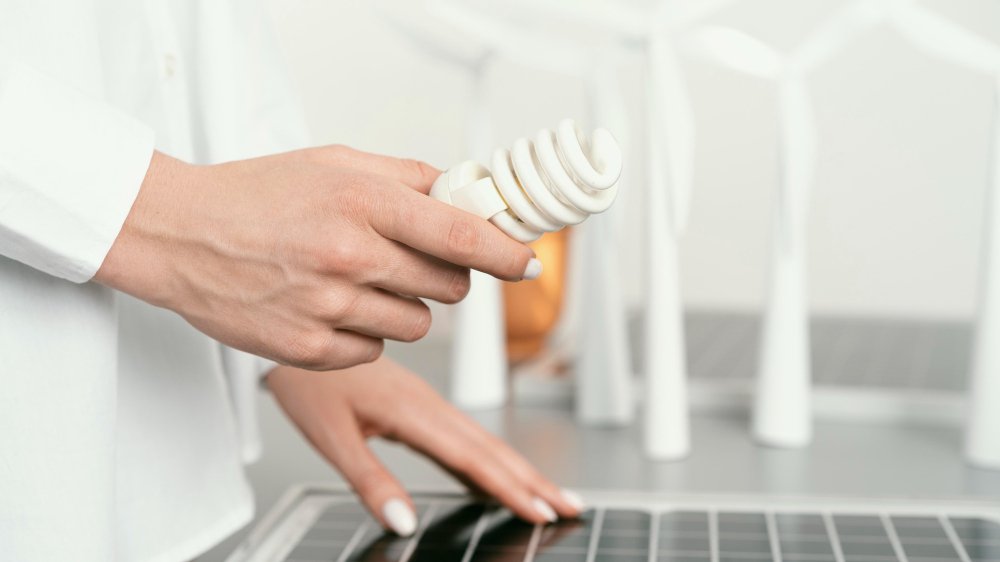
LED lighting uses significantly less electricity than older bulbs.
Benefits of LED Lighting
- Lower electricity usage
- Longer lifespan
- Reduced heat production
- Minimal maintenance
LED upgrades are simple and affordable energy improvements.
5. Seal Air Leaks Around the Home
Small gaps can allow conditioned air to escape.
Common Leak Locations
- Windows
- Doors
- Attics
- Utility penetrations
Air sealing improves efficiency while increasing comfort.
6. Upgrade to Energy-Efficient Appliances
Modern appliances use less energy and water.
Popular Appliance Upgrades
- Refrigerators
- Dishwashers
- Washing machines
- Dryers
Efficient appliances reduce long-term operating costs.
7. Install Ceiling Fans
Ceiling fans improve air circulation and reduce HVAC demand.
Benefits of Ceiling Fans
- Improved airflow
- Reduced cooling costs
- Better comfort distribution
- Year-round functionality
Fans can supplement both heating and cooling systems.
8. Upgrade Water Heaters
Water heating accounts for a significant portion of household energy usage.
Efficient Water Heating Options
- Heat pump water heaters
- Tankless systems
- High-efficiency tanks
- Solar-assisted systems
Modern systems improve efficiency and reduce energy waste.
9. Add Smart Power Management
Many devices consume electricity even when not actively used.
Helpful Smart Features
- Smart plugs
- Automated power strips
- Energy monitoring systems
- Scheduling controls
Managing standby power reduces unnecessary consumption.
10. Upgrade Exterior Doors
Older doors can contribute to drafts and heat loss.
Energy-Efficient Door Features
- Insulated cores
- Weather stripping
- Quality seals
- Energy-efficient materials
Properly sealed doors help improve indoor comfort.
Combine Multiple Upgrades for Better Results
Energy savings increase when improvements work together.
High-Impact Upgrade Combinations
- Insulation and air sealing
- Windows and smart thermostats
- LED lighting and smart controls
- Efficient appliances and water heaters
Layering improvements creates greater long-term savings.
Professional Energy Audits Can Identify Priorities
An energy assessment helps homeowners target the most effective upgrades.
Benefits of Energy Audits
- Identify heat loss areas
- Improve efficiency planning
- Prioritize investments
- Estimate potential savings
Professional evaluations help maximize renovation budgets.
Final Thoughts on Energy-Efficient Home Upgrades
Energy-efficient improvements reduce utility costs while increasing comfort, sustainability, and long-term property value. By combining insulation, smart technology, efficient appliances, and better building performance, homeowners can significantly improve household efficiency.
Thoughtful planning and strategic upgrades help create homes that are more comfortable, economical, and environmentally responsible for years to come.