
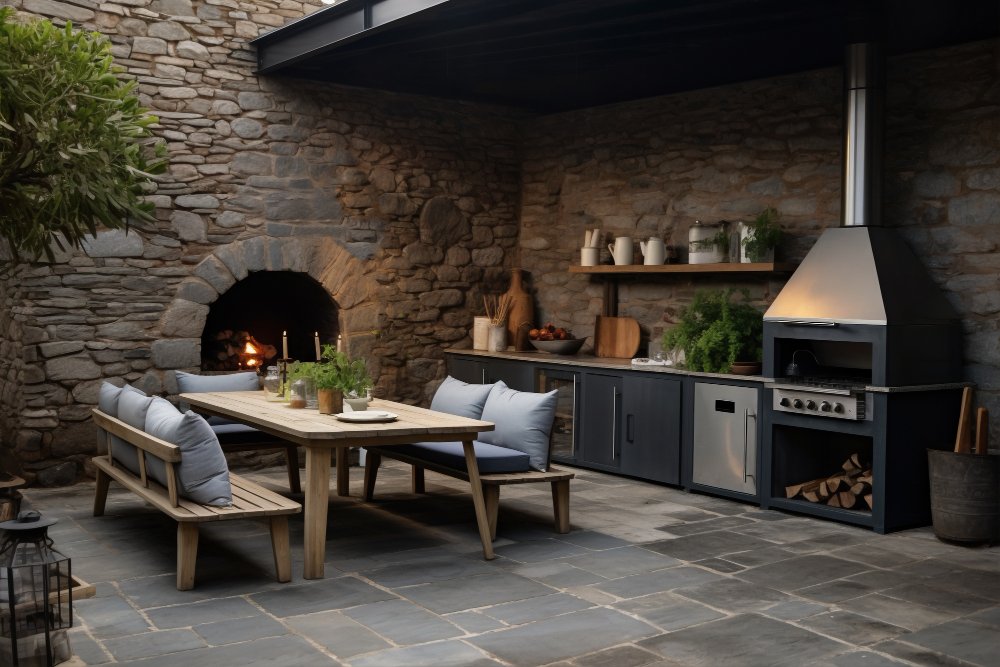
Outdoor kitchens have evolved far beyond a simple grill on the patio. Today, they are thoughtfully designed extensions of the home—spaces where cooking, entertaining, and everyday living naturally come together. Whether it’s a quiet family dinner under the evening sky or a weekend gathering with friends, a well-designed outdoor kitchen creates experiences that simply aren’t possible indoors.
But building an outdoor kitchen involves much more than choosing appliances. Layout, weather exposure, utilities, materials, storage, and long-term maintenance all influence how enjoyable—and how durable—the finished space will be. To help homeowners understand the planning process, we spoke with an experienced remodeling professional who has designed countless outdoor kitchens for homes of every size.
“A successful outdoor kitchen isn’t measured by the number of appliances—it’s measured by how naturally people gather around it.”
Q: How Much Space Do You Really Need for an Outdoor Kitchen?
A: One of the biggest misconceptions is that outdoor kitchens require enormous backyards. In reality, successful layouts can be created in surprisingly compact spaces if every element serves a clear purpose.
For homeowners who primarily grill on weekends, a modest layout with a built-in grill, countertop workspace, and limited storage may be all that’s needed. Larger families or homeowners who entertain frequently often benefit from additional preparation areas, outdoor dining space, refrigeration, and multiple cooking stations.
Rather than focusing solely on square footage, I encourage homeowners to think about workflow. Just like an indoor kitchen, an outdoor kitchen should allow you to move comfortably between food preparation, cooking, serving, and cleanup without constantly crossing paths with guests.
Traffic flow is equally important. Guests naturally gather around outdoor kitchens, so it’s essential to leave generous walkways that allow conversations to continue without interrupting the cook.
EXPERT TIP
Plan generous clearance around grills, islands, and seating areas. A comfortable outdoor kitchen allows several people to cook, serve, and socialize simultaneously without creating bottlenecks.
Q: Which Appliances Are Worth the Investment?
A: The answer depends entirely on how you cook. One mistake I see is homeowners purchasing every available appliance simply because it looks impressive. Instead, invest in equipment you’ll actually use throughout the year.
A high-quality built-in grill remains the centerpiece of most outdoor kitchens because it supports everything from quick weekday dinners to larger celebrations. Beyond that, appliance selection should reflect your lifestyle rather than current trends.
Homeowners who enjoy entertaining often appreciate beverage refrigerators that eliminate constant trips indoors. Pizza ovens have become increasingly popular for families who frequently host gatherings, while side burners provide flexibility for preparing sauces, vegetables, or side dishes without leaving the outdoor workspace.
Ice makers, sinks, warming drawers, and specialty cooking equipment can certainly enhance convenience, but only when they align with the way the space will actually be used. Every appliance should contribute to a smoother cooking experience rather than simply occupying valuable space.
“The best outdoor kitchens aren’t filled with the most appliances—they’re equipped with the right ones.”
Before making final decisions, I always recommend imagining a typical evening outdoors. Think about how food will be prepared, where guests will gather, and which appliances will genuinely make those moments easier and more enjoyable.
Q: Which Materials Perform Best Outdoors?
A: Outdoor environments are far more demanding than indoor kitchens. Sunlight, moisture, temperature fluctuations, and seasonal weather all place continuous stress on cabinetry, countertops, and appliances. Choosing durable materials from the beginning significantly reduces future maintenance and extends the life of the investment.
Stainless steel remains one of the most dependable choices for outdoor cabinetry and appliances because it resists corrosion while maintaining a clean, contemporary appearance. For countertops, granite continues to perform exceptionally well thanks to its durability and natural resistance to outdoor conditions when properly maintained.
Porcelain surfaces have also become increasingly popular because they combine impressive durability with sophisticated design options. Natural stone adds timeless character, while architectural concrete creates a modern aesthetic that complements many contemporary homes.
The key is selecting materials specifically intended for exterior applications. Products designed exclusively for indoor environments often deteriorate quickly when exposed to sunlight, moisture, and changing temperatures. Investing in weather-resistant materials may require a larger initial budget, but it typically provides far greater long-term value through reduced maintenance and improved durability.
Q: Should Every Outdoor Kitchen Include Utilities?
A: If you want your outdoor kitchen to function like a true extension of your home, utilities deserve careful attention long before construction begins. This is one of the areas where thoughtful planning has the greatest impact on the finished project.
Electricity is essential for lighting, refrigeration, charging stations, and convenience outlets. If you’re installing a built-in gas grill or side burner, natural gas or propane connections should be planned early to avoid unnecessary modifications later. Homeowners who enjoy preparing meals outdoors frequently also appreciate having a sink with running water, making food preparation and cleanup far more convenient.
Drainage is another detail that is easy to overlook. Proper planning helps prevent standing water while protecting cabinetry, appliances, and surrounding hardscape from unnecessary moisture.
My advice is simple: install the infrastructure you may need in the future, even if every appliance isn’t purchased immediately. Adding utility lines during the initial construction phase is usually far easier than reopening completed patios or outdoor living spaces later.
Q: Is a Roof or Pergola Worth Adding?
A: Absolutely. One of the biggest differences between an outdoor cooking area and a true outdoor living room is protection from the elements.
A pergola introduces architectural character while providing filtered shade that makes the space more comfortable during warmer months. Covered patios and pavilions offer even greater protection by shielding appliances, cabinetry, and countertops from rain and prolonged sun exposure.
Retractable awnings offer additional flexibility for homeowners who prefer adjustable coverage throughout the year. Regardless of the structure you choose, overhead protection extends the life of outdoor materials while making the kitchen more enjoyable across multiple seasons.
Comfort encourages people to remain outdoors longer, and that ultimately defines the success of the entire space.
Q: What Mistakes Do Homeowners Most Often Make?
A: The most common mistake is designing around products instead of people. Homeowners often become excited about adding premium appliances but overlook the practical details that determine whether the kitchen actually functions well.
Insufficient countertop space is one issue I encounter regularly. Cooking outdoors requires preparation areas just as much as indoor kitchens do. Without adequate workspace, even the finest grill becomes less enjoyable to use.
Lighting is another frequently underestimated feature. A beautiful outdoor kitchen loses much of its functionality after sunset if task lighting has not been carefully planned. Storage deserves equal attention. Weather-resistant cabinets help organize cooking utensils, serving pieces, and supplies while protecting them from outdoor conditions.
I also encourage homeowners to think carefully about traffic flow. Guests naturally gather near the cooking area, so walkways should remain open and intuitive rather than forcing everyone through the same narrow space.
EXPERT TIP
Design your outdoor kitchen for the way you’ll use it five years from now—not just on opening day. Prioritize flexible layouts, generous workspace, durable materials, and infrastructure that can support future upgrades without major reconstruction.
Q: Does Building an Outdoor Kitchen Increase Home Value?
A: In many markets, thoughtfully designed outdoor living spaces have become highly desirable because they expand the home’s usable square footage without adding interior walls. Buyers increasingly view outdoor kitchens as lifestyle amenities rather than luxury extras.
That said, value isn’t determined by the number of appliances installed. Quality construction, cohesive design, durable materials, and practical functionality influence long-term appeal far more than oversized budgets.
An outdoor kitchen that complements the home’s architecture, provides comfortable seating, and supports everyday entertaining often creates a stronger impression than one filled with expensive equipment that rarely gets used.
“A well-designed outdoor kitchen doesn’t simply increase property value—it increases the number of moments you’ll want to spend at home.”
The Expert’s Closing Advice
A: Building an outdoor kitchen is about far more than installing a grill or adding extra countertop space. The most successful projects are designed as complete outdoor living environments where cooking, entertaining, dining, and relaxation come together naturally.
When homeowners begin with thoughtful planning, select durable materials, invest in quality infrastructure, and design around the way they truly live, the finished kitchen becomes more than an exterior feature—it becomes one of the most enjoyable spaces on the property.
In the end, the best outdoor kitchens aren’t defined by their size or their collection of premium appliances. They’re defined by how effortlessly they bring family and friends together, season after season, year after year.